

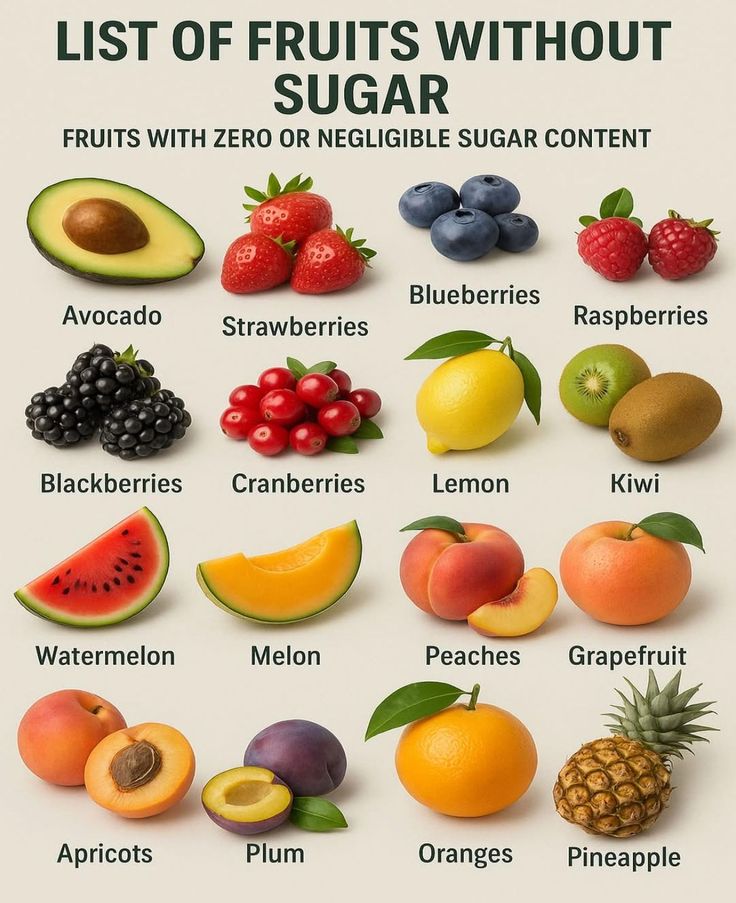
List of Fruits Without Sugar: A Complete Guide
When people think about fruits, the first thing that usually comes to mind is their sweetness. While most fruits naturally contain sugar in the form of fructose, some varieties are much lower in sugar than others. For individuals who are following a low-carb or low-sugar diet—whether for weight management, diabetes control, or simply for healthier eating—knowing which fruits contain negligible sugar can make a big difference. The good news is that there are plenty of delicious and nutritious options to enjoy without worrying about a sugar overload.
Why Choose Low-Sugar Fruits?
Low-sugar fruits are ideal for people who want to manage their blood sugar levels while still benefiting from the vitamins, minerals, and antioxidants that fruits provide. Unlike processed snacks, these fruits are rich in fiber, which helps slow digestion, and they offer essential nutrients like vitamin C, potassium, and antioxidants that support overall health. They also keep you hydrated and can be a refreshing, natural alternative to sugary desserts.
Top Fruits With Zero or Negligible Sugar
Let’s look at some of the best fruits with very little sugar content:
1. Avocado
Surprisingly, avocado is technically a fruit and one of the lowest in sugar. Instead of sugar, it is packed with healthy fats, fiber, and vitamins. This makes it a perfect choice for heart health and weight management.
2. Strawberries
Sweet yet low in sugar, strawberries are rich in vitamin C and antioxidants. A cup of fresh strawberries contains less than 8 grams of sugar, making them a great snack or smoothie ingredient.
3. Blueberries
While slightly higher in sugar than strawberries, blueberries still fall under the low-sugar category. They are known for their powerful antioxidants, which help protect against aging and disease.
4. Raspberries
Raspberries are another excellent berry option, with only about 5 grams of sugar per cup. They are high in fiber and support digestion.
5. Blackberries
Similar to raspberries, blackberries are full of antioxidants and fiber, while keeping sugar levels minimal. They are perfect to eat fresh or as a topping for yogurt.
6. Cranberries
Fresh cranberries are very low in sugar, although dried cranberries often have added sweeteners. They are beneficial for urinary tract health and are rich in vitamin C.
7. Lemon
Known for their tart flavor, lemons contain negligible sugar and are often used to add zest to water, tea, or meals. They are a great source of vitamin C.
8. Kiwi
Kiwis are a tropical fruit that balances sweetness with low sugar content. They are packed with vitamin C, potassium, and fiber.
9. Watermelon
Despite its sweet taste, watermelon is mostly water, which makes it naturally low in sugar. It’s refreshing, hydrating, and great during hot weather.
10. Melon
Cantaloupe and honeydew are melons that provide hydration and essential nutrients while being relatively low in sugar.
11. Peaches
Fresh peaches are naturally sweet but not overly high in sugar. They also contain vitamins A and C, making them a healthy summer fruit.
12. Grapefruit
Slightly bitter and tangy, grapefruit is a low-sugar citrus fruit that also supports metabolism and fat burning.
13. Apricots
Apricots are rich in vitamin A and fiber while containing only a modest amount of sugar. Fresh apricots are a healthy snack.
14. Plum
Plums are small, slightly tart fruits that provide antioxidants and are relatively low in sugar compared to other stone fruits.
15. Oranges
Oranges are well known for their vitamin C content. While sweeter than lemons, they are still considered low-sugar compared to other tropical fruits.
16. Pineapple
Pineapples are slightly higher in sugar than berries or citrus, but when eaten in moderation, they remain a healthy, low-sugar fruit option.
Final Thoughts
Choosing fruits without sugar—or with only negligible amounts—does not mean sacrificing taste or nutrition. From creamy avocados to refreshing watermelon and tangy lemons, there is a wide variety of options to suit every palate. Incorporating these fruits into your daily diet allows you to enjoy nature’s sweetness without the blood sugar spikes. Whether you are managing diabetes, watching your weight, or simply adopting a healthier lifestyle, low-sugar fruits are a smart and delicious choice.


